

Advanced Structural Heart Disease Interventional Cardiology Course
December 11–14, 2025
Join Me in Miami
The Advanced Structural Heart Disease Interventional Cardiology Course gives attendees the latest cutting-edge techniques from nationally recognized faculty: from the latest in 4D ICE guidance for structural procedures to the latest in aortic, mitral, and tricuspid technology and techniques for electrosurgery and complications management.
Most importantly, Fellows Courses bring attendees and faculty together in a smaller venue for personal interaction, networking, and real-world career advice.
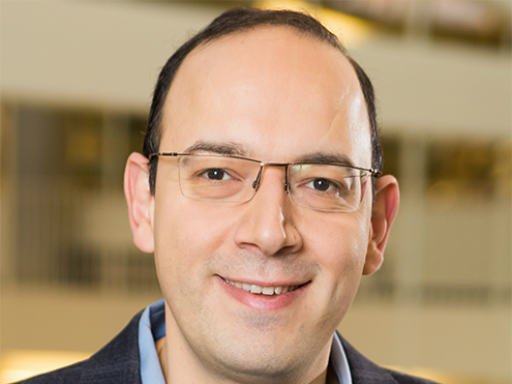
Firas Zahr, MD, FSCAI
Program Track Director
Program Overview
The SCAI Fellows Advanced Structural Heart Disease Interventional Cardiology Course, led by myself and my co-chair, Dr. Jamie McCabe, is a premier educational event designed to provide fellows with an in-depth understanding of the latest advancements in structural heart interventions. This immersive program emphasizes hands-on learning and small-group training, allowing participants to gain practical experience and procedural tips and tricks directly from leaders in the field.
Participants will benefit from extensive hands-on training sessions that cover a range of structural heart procedures. Utilizing state-of-the-art simulators, attendees will practice intracardiac echocardiography, transseptal puncture, transcatheter aortic valve replacement, transcatheter mitral valve replacement, and mitral and tricuspid transcatheter edge-to-edge repair. These interactive sessions are designed to enhance technical skills and provide a realistic experience in a controlled environment.
The course structure includes small-group training, ensuring personalized instruction and ample opportunities for one-on-one interaction with expert faculty. This intimate setting fosters a collaborative learning environment where participants can ask questions freely, discuss complex cases, and receive tailored feedback.
Attendees will acquire invaluable practical tips and tricks that can be immediately applied in clinical practice. The curriculum covers essential aspects of structural heart interventions, including:
- Manipulation of the intracardiac echocardiography (ICE) catheter for standard and advanced views
- Identification and analysis of normal and abnormal intracardiac anatomy
- Fusion imaging techniques and necessary imaging of atrial septal structures
- Treatment modalities for patent foramen ovale closure, atrial septal defect closure, left atrial appendage occlusion, and various valve therapies
- Interventional equipment and technical steps for case-based simulations
- Skills for percutaneous transseptal puncture using appropriate sheaths, wires, needles, and access devices
- Strategies for post-processing computerized tomography (CT) analysis for transcatheter aortic valve replacement (TAVR)
- Novel techniques such as valve fracturing, bioprosthetic or native aortic scallop intentional laceration (BASILICA), and coronary protection
Learning Objectives
SCAI Fellows Advanced Structural Heart Disease Interventional Cardiology Course will enable you to:
- Achieve a comprehensive understanding of intracardiac ultrasound with the ability to manipulate the intracardiac echocardiography (ICE) catheter to achieve standard views and identify normal and abnormal intracardiac anatomy
- Analyze standard views, identify normal and abnormal intracardiac anatomy, discuss fusion imaging, and describe necessary imaging of atrial septal structures and different morpho-spatial pathologic variants
- Describe treatment modalities for patent foramen ovale closure, atrial septal defect closure, left atrial appendage occlusion, transcatheter aortic valve replacement, transcatheter mitral valve repair, and valve-in-valve therapy
- Review the interventional equipment and technical skills/steps required while performing case-based simulation in a multitude of scenarios
- Discuss the interventional skills for percutaneous transseptal puncture using appropriate transseptal sheaths, wires, needles, and other access devices such as radiofrequency ablation
- Employ strategies for practice and professional development
- Review steps for post-processing computerized tomography (CT) analysis for transcatheter aortic valve replacement (TAVR) and discuss novel techniques associated with TAVR: valve fracturing; bioprosthetic or native aortic scallop intentional laceration to prevent iatrogenic coronary artery obstruction (BASILICA); and coronary protection
Eligibility
You are currently in a structural fellowship program in the U.S. or Canada. You may have previously attended the SCAI Fellows Course.
Scholarship Details
All accepted participants will receive:
- Complimentary registration for the SCAI Fellows Advanced Structural Heart Disease Interventional Cardiology Course
- Reimbursed hotel accommodation at the Hyatt Regency Miami for three nights (December 11—14)
- Reimbursed ground transportation up to $250 (home to airport, airport to hotel, and vice versa only) for attendees coming from the US or Canada
- Reimbursed coach airfare to and from Miami up to $750 (restrictions apply; the full travel policy will be provided upon acceptance)
Full participation is required for 100 percent reimbursement. All attendees must:
- Arrive at the hotel anytime on Thursday, December 11
- Make flight arrangements that depart after the final session, ending at noon on Sunday, December 14
- Participate in all sessions, including the exhibit hall tour and satellite meal functions
Required Documentation
- A signed letter from your program director stating the dates of your fellowship
- A copy of your curriculum vitae (CV)
Your application will be reviewed, and you will be notified within two weeks of the status of your application.
Learn the Knowledge and Skills Needed for Post-Fellowship Practice
December 10-14, 2025
Miami, FL