


The statement clarifies the role of the SCAI SHOCK classification within a comprehensive 3-axis model incorporating other predictors of mortality, such as etiology, phenotype, and non-modifiable risk factors such as age and frailty. The updated classification provides more granularity to the cardiac arrest modifier and the constituent domains of the classification, including physical examination, biochemical, and hemodynamic criteria.
“The new updated definition is easier to use, with tables that have eliminated relatively unnecessary variables and highlighted the more commonly present ones in each shock stage, a more useful cardiac arrest modifier, and a 3-axis model that places the shock stages in context of other variables that need to be considered for the patient in front of you.” - Srihari S. Naidu, MD, FSCAI, Chair of the writing group
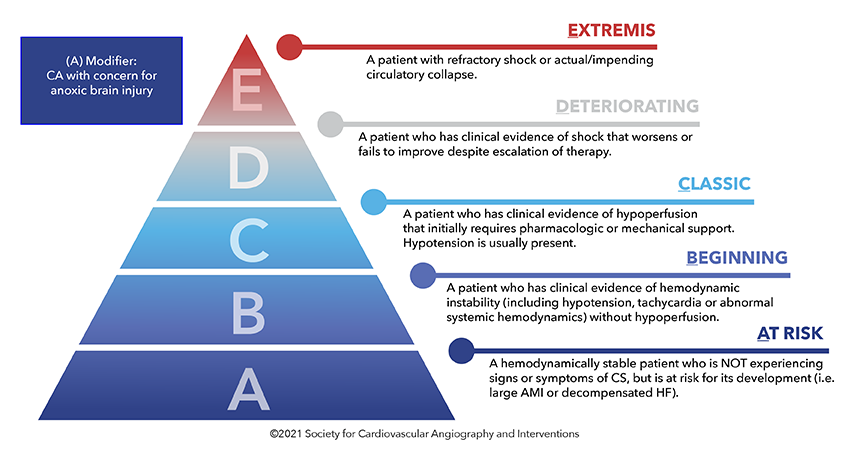
All authors: Srihari S. Naidu, MD, FSCAI; David A. Baran, MD, FSCAI; Jacob C. Jentzer, MD; Steven M. Hollenberg, MD; Sean van Diepen, MD, MSc; Mir B. Basir, DO, FSCAI; Cindy L. Grines, MD, MSCAI; Deborah B. Diercks, MD, MSc, FACEP; Shelley Hall, MD; Navin K. Kapur, MD, FSCAI; William Kent, MD, MSc; Sunil V. Rao, MD, FSCAI; Marc D. Samsky, MD; Holger Thiele, MD, FESC; Alexander G. Truesdell, MD, FSCAI; Timothy D. Henry, MD, MSCAI.
SCAI SHOCK: Home of the Shock Team is a step-by-step guide to building a contemporary cardiogenic shock program led by a multi-disciplinary team of seasoned leaders, each with a wealth of experience running and participating in cardiogenic shock programs.
This year's meeting will explore the individual building blocks of a contemporary shock program, equipping attendees with a comprehensive understanding of shock management, from initial recognition to advanced treatment strategies, and actionable insights you can take back to your institution.