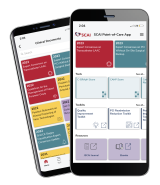
The third update to the SCAI SHOCK Classification Expert Consensus refines the definitions of SCAI SHOCK stages to improve clarity, consistency, and bedside usability across diverse clinical settings. It also expands the framework to better address specific patient populations, clinical phenotypes, and the perspectives of multidisciplinary care teams, while preserving the classification’s value for both clinical practice and research.
The draft is now open for public comment, and we welcome feedback from all interested stakeholders during the comment period.
Feedback is requested by Monday, July 27, 2026.
If you would like to submit a comment, please:
- Download the statement
- Complete the comment survey
You must complete the whole comments process in one sitting, as your progress cannot be saved until the end. The process will take between 5 and 15 minutes to complete depending on the number of comments you have to offer.
About the Public Comment Period
SCAI develops evidence-based guidance through a rigorous process to help health care providers and patients make decisions, minimize inappropriate practice variation, promote effective resource use, improve clinical outcomes, and direct future research. For a detailed description of the development process and methodology, please refer to the SCAI Publications Committee Manual of Standard Operating Procedures.
Draft statements are made available for public comment before society approval and publication with the aim of engaging key stakeholders in a transparent and rigorous development effort. At the end the comment period, the writing group will review the feedback received and may revise the statement in response. Comments may also inform SCAI’s communication and implementation plan and future updates of the material. Individuals or organizations that provide comments will not typically be identified by name within the final published guidelines.